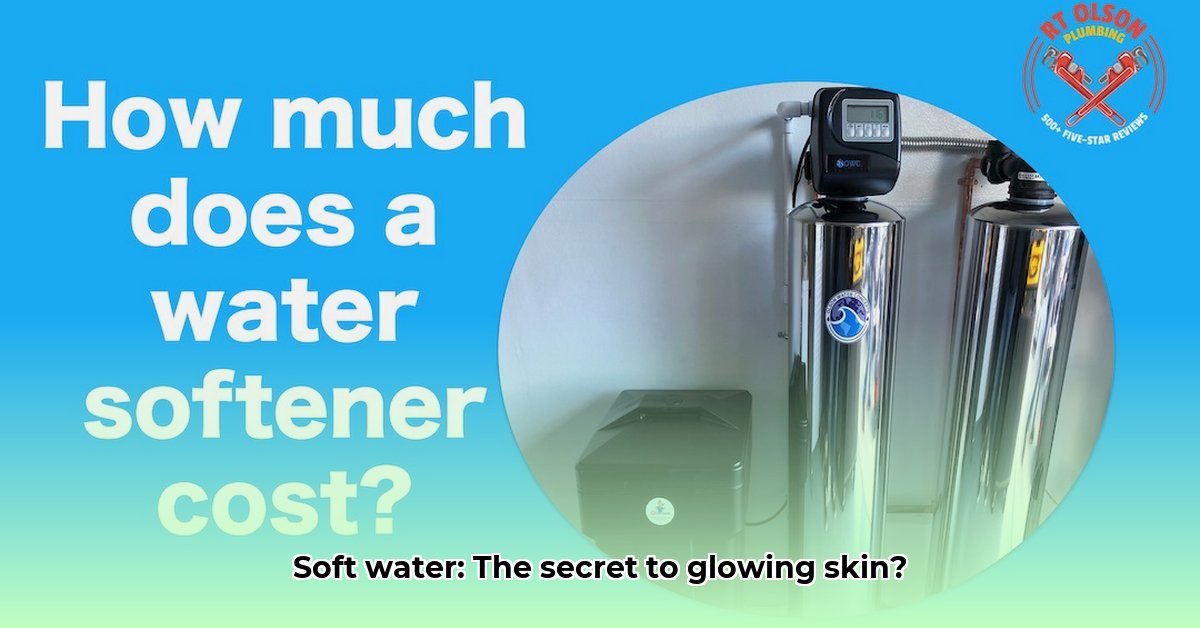
Understanding Hard Water's Impact on Your Skin
Dealing with persistent dry, itchy skin? The culprit might be closer than you think: your water. Hard water, rich in minerals like calcium and magnesium, can significantly impact skin health. These minerals interfere with soap, leaving behind a film that traps dirt and prevents your skin from absorbing moisture. This film can clog pores, leading to irritation and dryness, potentially worsening conditions like eczema or psoriasis. Think of it like trying to hydrate a plant with muddy water—the plant struggles to thrive. Is your skin feeling the same?
The Science of Softened Water: A Skin Savior
Water softeners remove these troublesome minerals, allowing soap to lather effectively and rinse away completely. This leaves your skin clean without stripping away its natural oils, the very oils crucial for hydration and a healthy skin barrier. Softened water helps your skin absorb moisture more efficiently, resulting in improved hydration, reduced irritation, and potentially clearer skin. It's like providing your skin with a refreshing, pure drink of water, allowing it to heal and stay healthy.
Softened Water Benefits for All Skin Types
The benefits of soft water extend across all skin types. Dry skin benefits significantly from increased hydration and reduced itchiness. Oily skin might see clearer, less congested pores. Even sensitive skin can experience soothed irritation and reduced redness from soft water. Many individuals with eczema or psoriasis report a notable reduction in symptoms after switching to softened water. Could this be the solution you've been searching for?
Exploring Your Water Softening Options
Several methods exist for softening your water. Let's examine the most common:
| Method | Pros | Cons | Sodium Impact | Environmental Impact | Effectiveness |
|---|---|---|---|---|---|
| Ion Exchange | Highly effective, widely available, relatively affordable | Increases sodium levels; requires salt refills; disposal of brine waste | High | Moderate | High |
| Salt-Free Systems | Environmentally friendly, no salt needed | Potentially less effective; often more expensive | Low | Low | Moderate |
| Magnetic/Electronic | Low maintenance, no chemicals | Often less effective; usually requires professional installation | Very Low | Low | Low |
Choosing the Right Water Softener: A Step-by-Step Guide
Selecting the best water softener requires careful consideration of several factors. Follow these steps for a successful outcome:
Test Your Water Hardness: Determine your water's hardness level using a home testing kit or by contacting your local water department. This crucial first step informs the best water softener choice for your specific needs.
Establish Your Budget: Ion exchange systems usually have lower upfront costs, but ongoing salt expenses can accumulate. Salt-free systems have higher initial investments but eliminate the ongoing cost of salt. Carefully assess the total cost of ownership.
Prioritize Environmental Impact: Salt-free systems are significantly more environmentally friendly, minimizing the negative impact of brine waste disposal.
Compare Systems: Research various brands and models, comparing their features, warranties, and maintenance needs. Thoroughly review customer feedback.
Professional Installation: Although some systems are DIY-friendly, professional installation ensures optimal performance and protects your warranty.
Beyond Soft Water: A Holistic Approach to Healthy Skin
While softened water is a critical step, it complements a comprehensive skincare routine.
- Gentle Cleansers: Choose cleansers that are gentle and avoid harsh soaps which strip natural oils.
- Moisturizers: Regular moisturizing keeps your skin hydrated and supports a healthy skin barrier.
- Hydration: Drink plenty of water throughout the day to maintain hydration from within.
- Balanced Diet: A diet rich in fruits, vegetables, and healthy fats contributes to overall skin health.
The Bottom Line: Softer Water, Healthier Skin
Switching to softened water can dramatically improve your skin's health and appearance. The benefits are substantial, but the ideal choice depends on individual needs and budget. By following these steps and making informed decisions, you can invest in your well-being and enjoy noticeably healthier, happier skin. Consult a dermatologist or water treatment specialist for personalized advice.